True Precision Medical

Quiet the pain.Keep your joint.

Outpatient care for chronic joint pain, without major surgery.

4.9 from 400+ Google reviewsNo. 1 in the U.S. for knee embolization volume

Next available


Book a visit

Medicare & 150+ plans accepted

Why patients start here

The outpatient alternative to joint replacement.

  • No major surgery

    No joint replacement, no bone cut, no general anesthesia.

  • Home the same day

    Outpatient, in centers we own. Never a hospital stay.

  • Your joint stays yours

    Nothing about the joint changes, so surgery stays an option.

  • Seen within the week

    Most patients are seen by a specialist within the week.

Why your joint hurts

Cartilage has no nerves. So why does your joint hurt?

Worn cartilage can’t send a pain signal. The pain comes from inflammation in the tissue around the joint, and the nerves that carry that signal to your brain.

That’s why an X-ray and the pain you feel so often disagree, in any joint, and why about one in four people still hurt after a new knee.

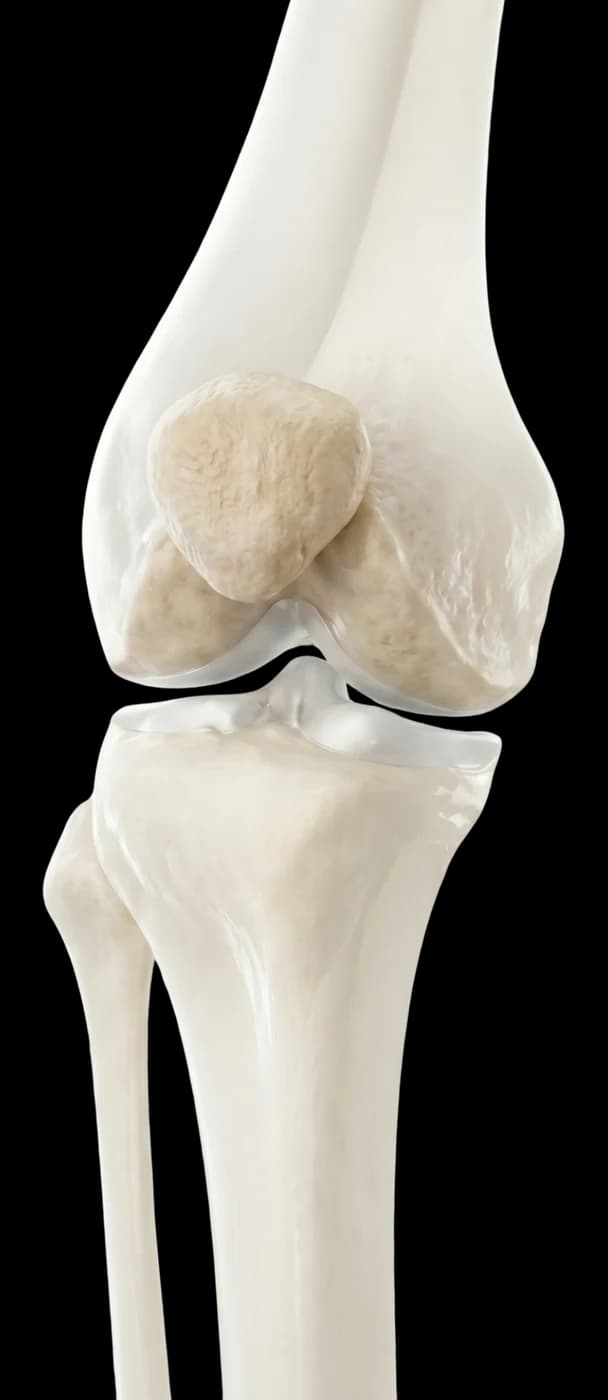
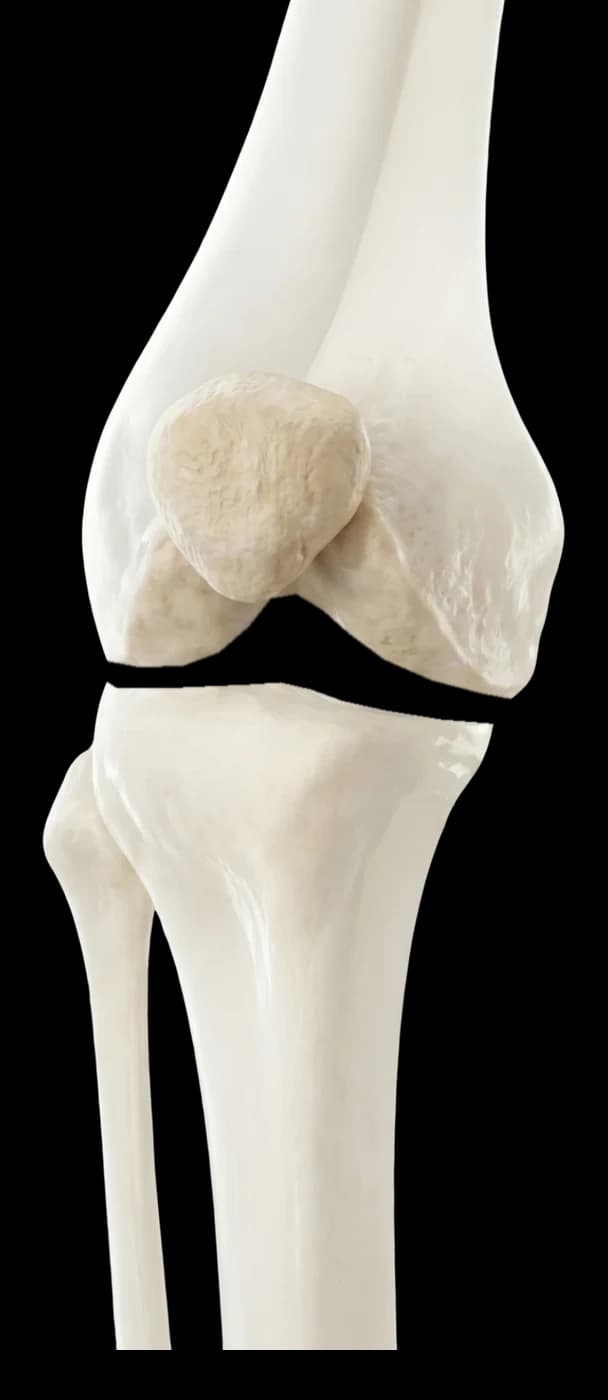
Your X-ray isn’t your pain.

Your X-ray

Shows worn cartilage: the thin gap between the bones. Cartilage has no nerves, so it can’t feel pain.

Your pain

  • Inflammation irritates the joint.
  • Nerves carry that pain to your brain.

The Joint Signal Approach

Pain is a signal. We quiet it.

The Joint Signal Approach is our outpatient alternative to joint replacement. Instead of resurfacing the worn joint, we quiet the pain signal, either at its source or along the nerve that carries it.

  1. 01/At the source

    Joint embolization

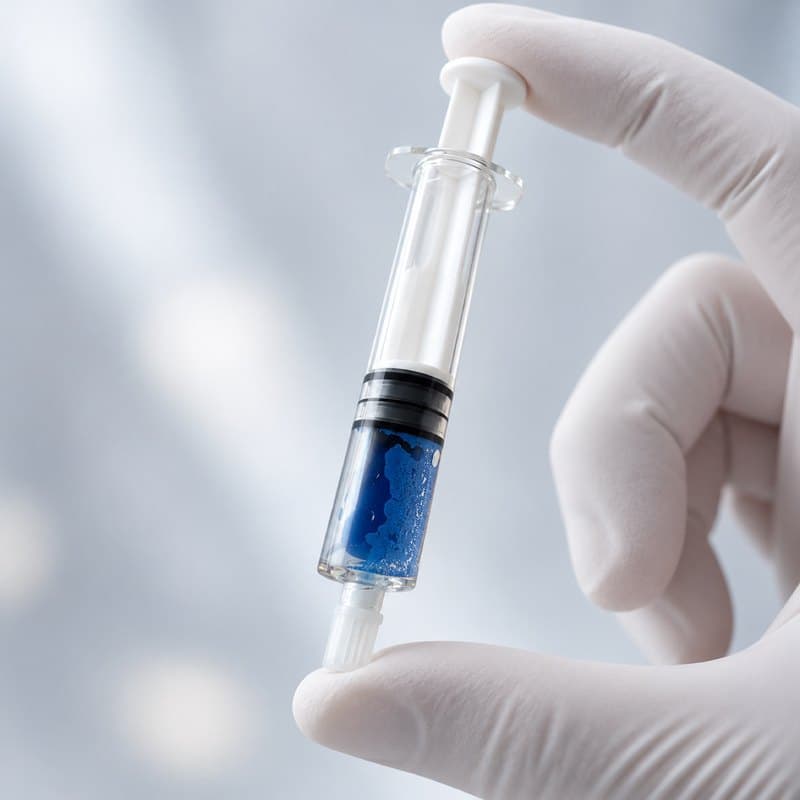
    A painful joint’s lining is often inflamed, growing tiny abnormal blood vessels with new pain fibers alongside them. Through a tiny catheter, with no incision, we close off those vessels, aiming to calm what keeps the signal firing.
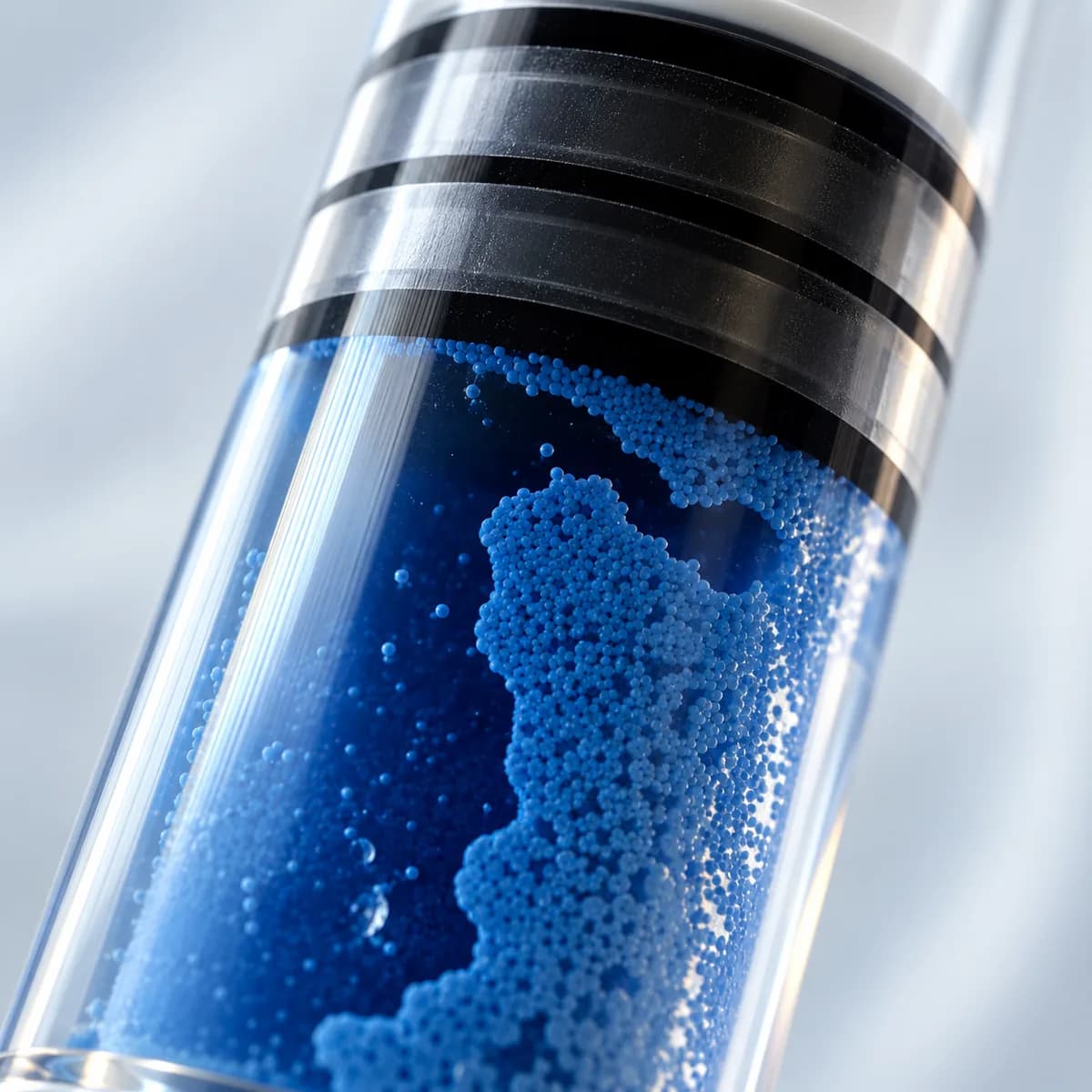
    Embolic microspheres in a syringe, each about the size of a grain of sand
  2. 02/Along the nerve

    Nerve stimulation

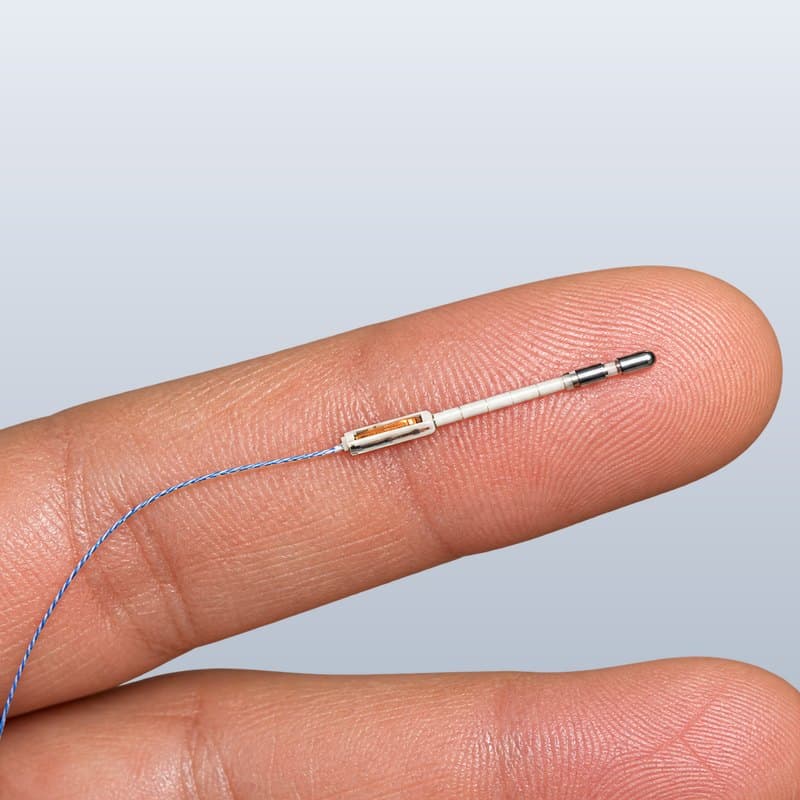
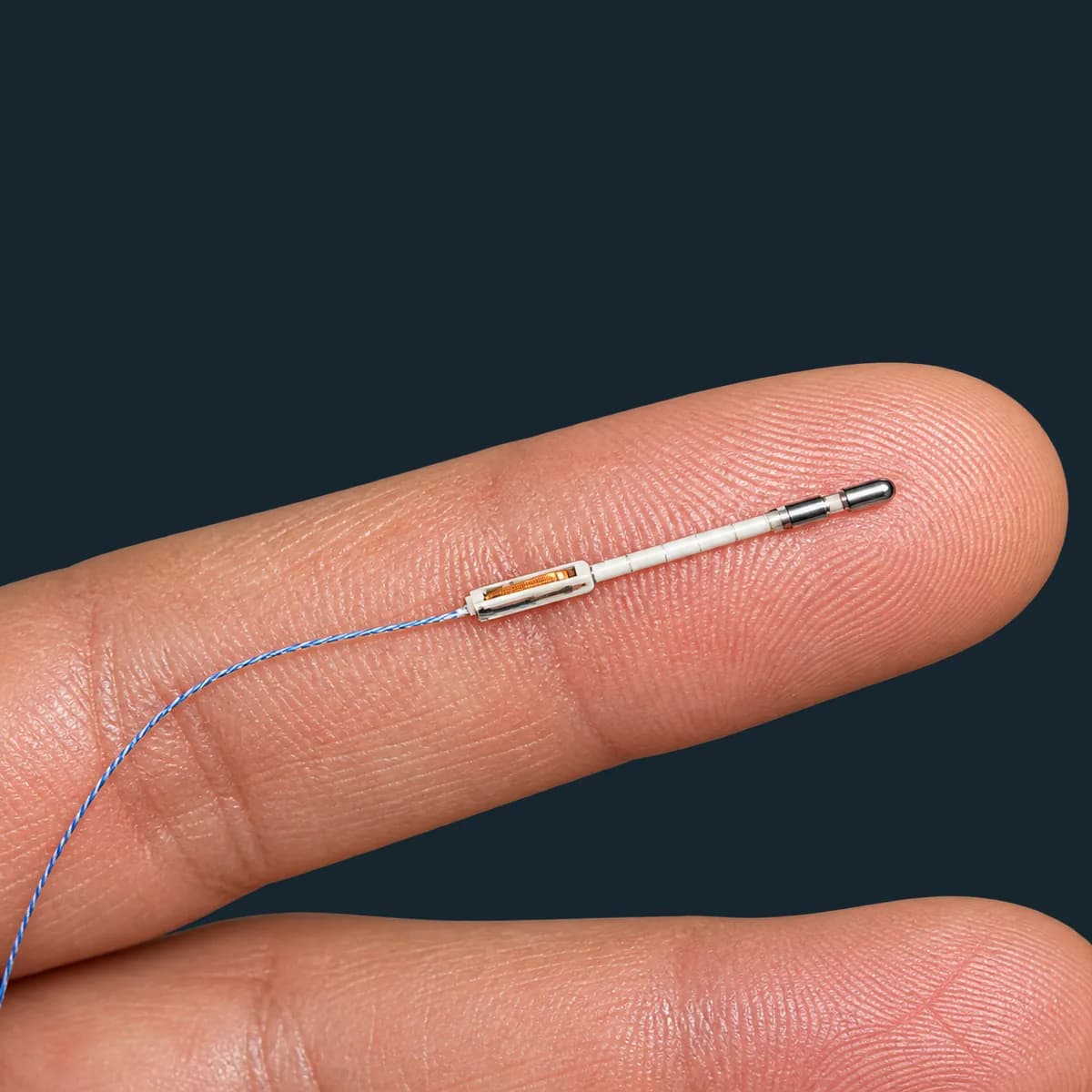
    A lead about as thin as a grain of rice sits beside the nerve that carries the pain and sends gentle pulses that turn the signal down on its way up. It can be adjusted, and it can be removed.

    A nerve stimulation lead resting on a fingertip for scale
  3. 03/What it’s for

    Less signal. Less pain felt.

    Pain is felt in the brain. Less signal arriving is what both treatments aim for, and neither one replaces, cuts or fuses anything in your joint. Which one fits is a decision you make with your specialist.

    An older couple walking a trail with hiking poles

Matched to you, not stacked.

Some people need one treatment, some need both, and some need neither. Your specialist will tell you which, and why, before anything is scheduled.

  • Knee
  • Shoulder
  • Hip
  • Foot & ankle
  • Elbow & wrist

Sound familiar?

  • Cortisone shots stopped working, or never did
  • You’ve been told it’s “injections or a new joint”
  • You were told you’re too young, or too high-risk, for a replacement
  • You still hurt after a joint replacement
  • You’d rather keep your own joint
See if you’re a candidate

About 2 minutes

Your care team

Specialists who do this every day.

Board-certified physicians and experienced advanced practice providers, focused on one thing: treating chronic pain without major surgery.

★ 4.9 from 400+ Google reviews

Read full profiles and credentials

Comparing your options

Start here.
Surgery stays on the table.

Nothing about your joint changes. If it doesn’t give you the relief you wanted, surgery is still an option. It doesn’t work the other way around.

What each one puts in your body

A syringe of embolic microspheres held in a gloved hand
Em­bo­li­za­tionAbout the size of a grain of sandMicrospheres travel in through a catheter.
A neuromodulation lead resting on a fingertip for scale
Nerve stim­u­la­tionAbout as thin as a grain of riceA lead sits beside the nerve.
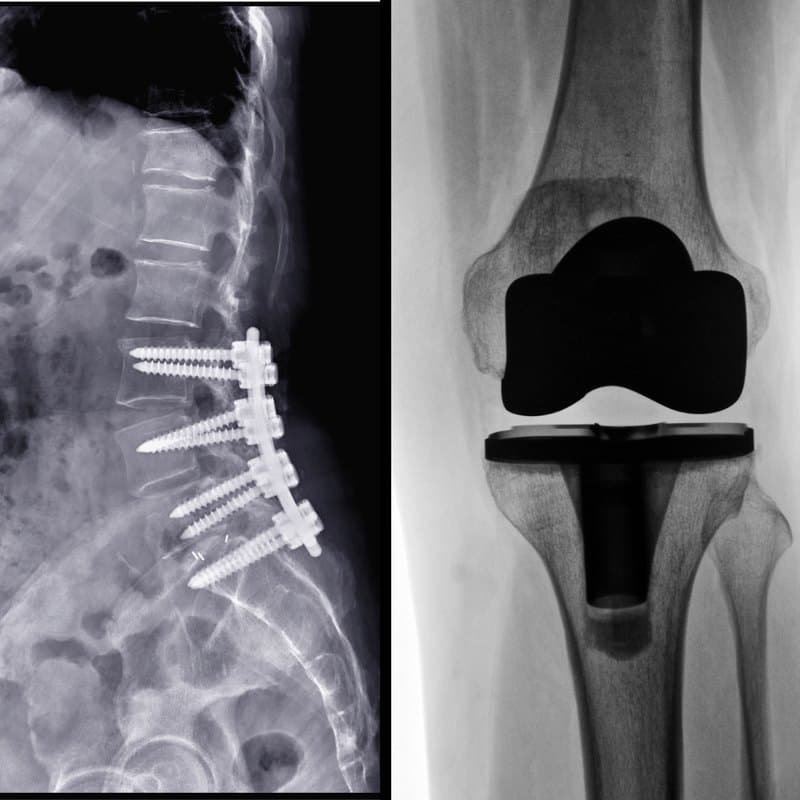
Two X-rays side by side: a lower spine fused with screws and rods, and a knee holding a total replacement
Major surgerySeveral inches of metal and plasticFixed onto cut bone.
How embolization, nerve stimulation and major surgery compare
Em­bo­li­za­tionCatheter-basedNerve stim­u­la­tionPNS · SCSMajor surgeryRe­place­ment or fusion
The procedure
What it works onThe sourceThe nerveThe joint itself
Avoids general anesthesiaYesYesNo
No major incisionYesYesNo
No bone cut or removedYesYesNo
No large hardware implanted1YesYesNo
Your recovery
Outpatient — home the same dayYesYesNo
Back to normal activity21–2 weeksDays12+ weeks
What it leaves open
Reversible if it doesn’t helpYesYesNo
Surgery is still an option afterwardsYesYesNo
Covered by Medicare and most plansYesYesYes
Who performs itInter­ventional radio­logistNeuro­surgeon, ortho­pedic surgeon, pain physician or inter­ventional radio­logistOrtho­pedic or spine surgeon
  1. 1Nerve stimulation places a lead roughly the diameter of a grain of rice. Nothing is implanted during an embolization.
  2. 2Six weeks is when many patients resume light daily activity. Most surgeons consider a knee replacement still settling at twelve months.

Both of our procedures are covered by Medicare and most major plans — the same as surgery, without the hospital stay.

Call to verify — (480) 616-0356

How it works

A clear path
from pain to living.

No hospital mazes, no waiting months for a referral. Direct access to the specialist who treats your condition — and a plan before anything is scheduled.

  • Medicare and most major plans accepted
  • Board-certified specialists
  • Two Arizona locations — Phoenix and Peoria
  • No hospital stay
Book a consultation
  1. Step 01About 2 minutes

    Request a consultation

    Book online or call us. We'll match you with the right specialist for your specific condition within 48 hours.

  2. Step 02Most are seen within the week

    Get a personalized plan

    Meet with your doctor to review imaging and discuss minimally invasive options tailored to your lifestyle.

  3. Step 03Home the same day

    Receive outpatient care

    Undergo your procedure in our state-of-the-art, comfortable outpatient centers and recover at home the same day.

Patient Stories

Real outcomes. Real people.

4.9· 400+ reviews
CS

Carolyn S.

Knee care · Phoenix

Jan 2025

“From the first consult to same-day discharge, everything felt coordinated and calm. I wish I had found this team sooner.”
JT

James T.

Outpatient procedure

Mar 2025

“The staff explained every step. I walked out knowing exactly what to expect—and the follow-up was just as thoughtful.”
ER

Elena R.

Vascular consult · East Valley

Feb 2025

“Minimal downtime, clear communication, and physicians who actually listened. An exceptional experience top to bottom.”
MD

Michael D.

Spine · Peoria

Dec 2024

“I was nervous about any procedure. They took the time I needed, answered every question, and I was home the same afternoon.”
PW

Patricia W.

Fibroid treatment · Gilbert

Nov 2024

“Professional from check-in to discharge. The facility feels nothing like a hospital—quiet, modern, and genuinely comfortable.”
RK

Robert K.

Joint pain · Phoenix

Apr 2025

“After years of putting off care, I finally got relief. The imaging-guided approach meant a smaller incision and faster recovery than I expected.”
SM

Sandra M.

Consultation

Mar 2025

“Clear, direct, and kind. That combination is rare.”
DL

David L.

Second opinion · East Valley

Jan 2025

“My referring doctor sent me here and I am glad they did. The specialist walked me through options I did not know existed outside of major surgery.”
AH

Angela H.

Outpatient procedure · Phoenix

Feb 2025

“Scheduling was straightforward, wait times were reasonable, and billing was explained upfront. As someone who manages a busy schedule, that mattered.”
TB

Thomas B.

Nerve pain · Peoria

Dec 2024

“I appreciated the focus on minimally invasive options first. It aligned with what I wanted: fix the problem without an unnecessary hospital stay.”

Where we are

Find us near you.

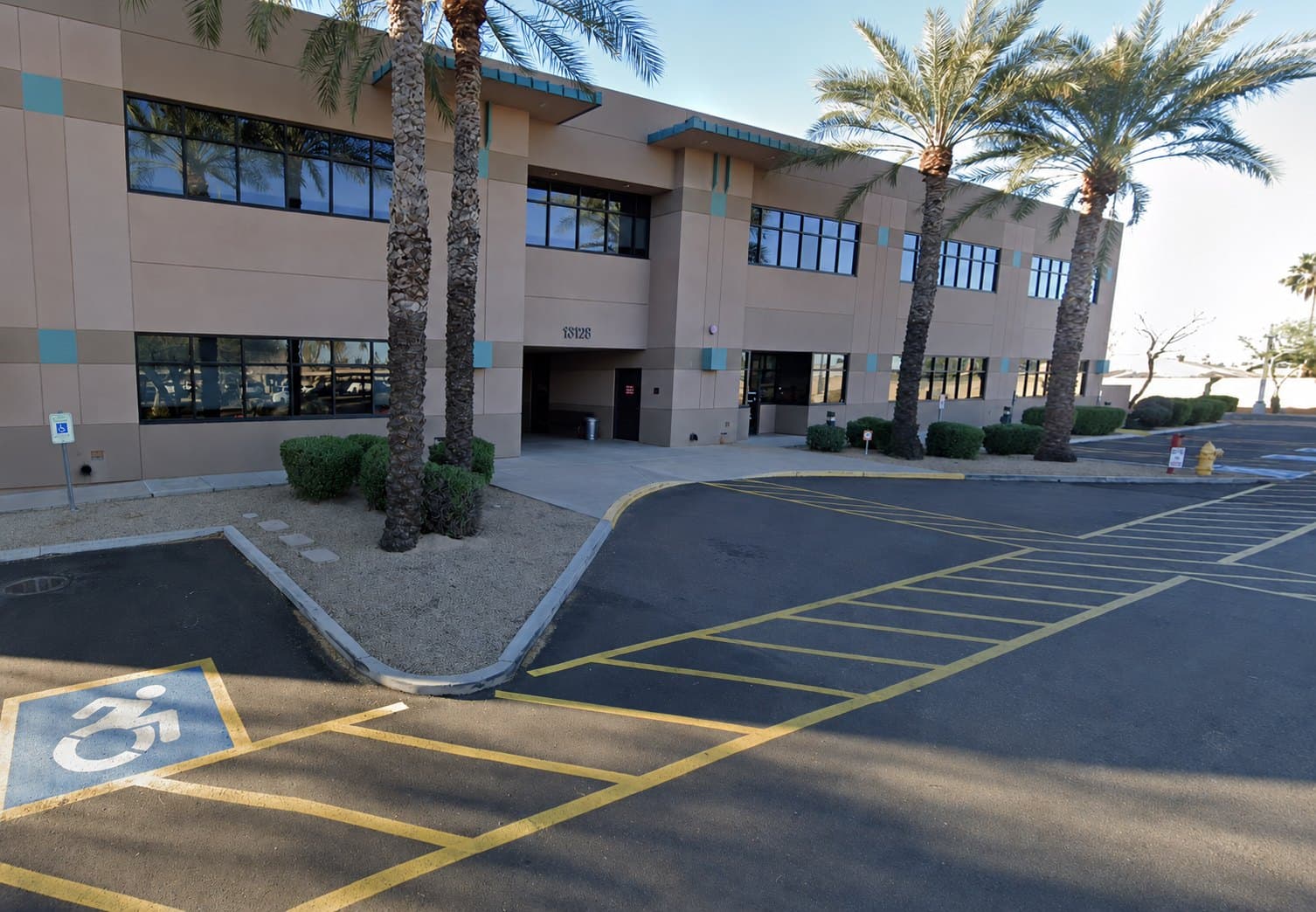
Outpatient clinics in Phoenix and Peoria. Most patients are seen within the week.

All locations
© OpenStreetMap · CARTO
  • Most patients are seen within the week
  • On-site parking at both clinics
  • Every procedure is outpatient — home the same day

Common questions

Questions, answered.

What is True Precision Medical?

True Precision Medical is an outpatient specialty practice in Phoenix and Peoria, Arizona offering minimally invasive image-guided treatments as alternatives to traditional surgery — covering chronic pain, joint conditions, uterine fibroids, and circulation disorders.

What conditions do you treat?

Knee, shoulder, wrist, and foot pain; back, neck, and nerve pain, including neuropathy and headaches; uterine fibroids; and poor circulation in the legs. Each one is treated with small, image-guided procedures rather than open surgery.

Are these procedures performed in a hospital?

No. Every procedure is performed in our outpatient clinics. Most patients are discharged the same day with no hospital stay.

How soon can I be seen?

Most patients have a specialist appointment within the week. Same-week scheduling is the norm, not the exception.

Do you accept insurance?

Most major insurance plans are accepted. Call the office to verify coverage for your specific plan.

Where are you located?

We have clinics in Phoenix and Peoria, Arizona. Both offer easy parking and same-day discharge. Visit Locations for addresses and hours.