
Embolization
Embolization
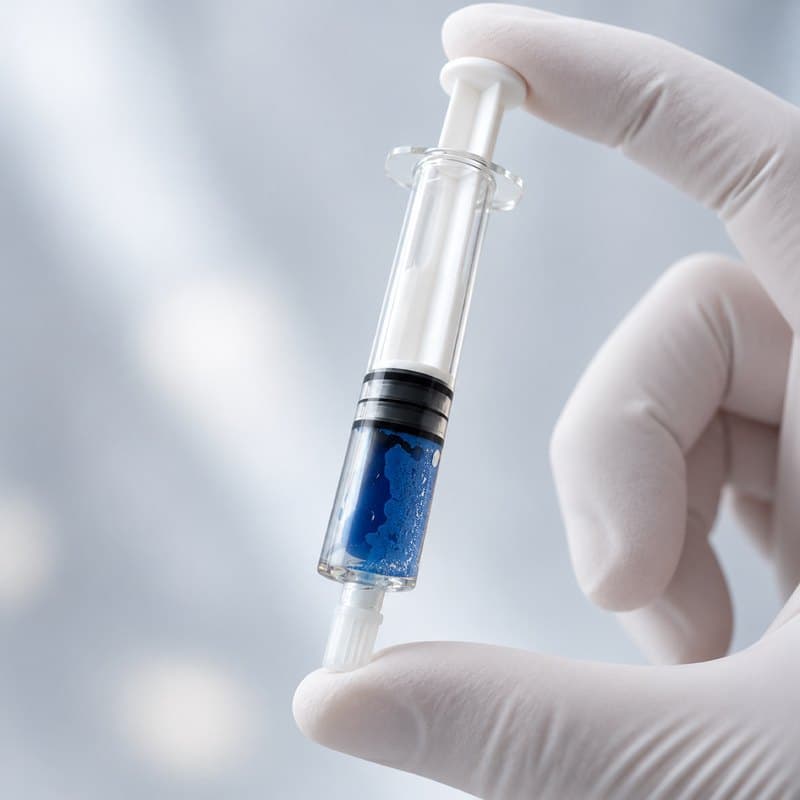
Embolization works on blood supply. A catheter is guided to the small vessels feeding inflamed tissue or a growth, and tiny particles reduce the flow through them. Starved of that supply, the tissue quietens down or shrinks. The same principle treats an arthritic knee, a frozen shoulder, a stubborn heel and a uterine fibroid — only the target vessel changes.
- Outpatient — no incision
- Local anesthetic with sedation
- Home the same day
- Nothing implanted
How it works
Cut off what is feeding the problem.
- 01Reach the vesselA catheter enters through a puncture at the wrist or the top of the leg and is steered through the arteries to the area causing trouble. This is the same technique used to treat blocked heart arteries, applied to a different problem.
- 02Identify the supplyContrast imaging shows which small vessels are feeding the inflamed tissue or the fibroid. In chronic inflammation these are often vessels that grew abnormally in the first place.
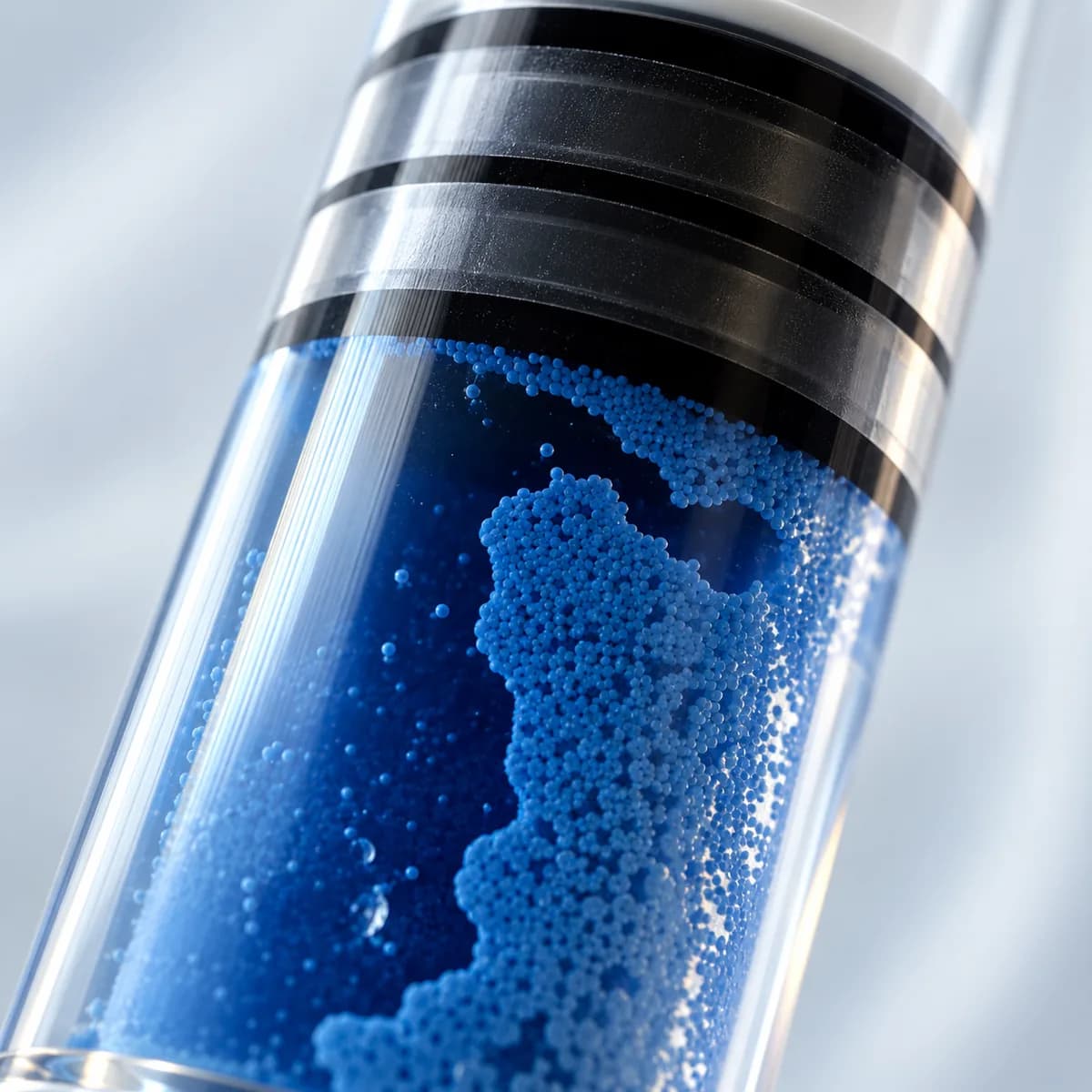
- 03Reduce the flowMicrospheres are released into those vessels only. The surrounding healthy tissue keeps its normal blood supply; the target loses what has been sustaining it.
What to expect
From arriving to going home.
before
Imaging first — the point is to confirm there is an abnormal blood supply worth treating. You will also have a frank conversation about whether embolization is the right tool for your particular problem, because sometimes it is not.
during
Light sedation and local anesthetic. Depending on the area, most procedures run between forty-five minutes and two hours. There is no general anesthesia and no hospital admission.
after
Home the same day. Cramping or aching in the treated area over the first few days is common and expected. The benefit builds gradually as the tissue responds — typically over weeks for a joint and over months for a fibroid.
What the evidence says
Every number here says where it came from.
And who it applies to. If a figure needs a caveat to be honest, the caveat is printed next to it rather than left off.
2 in 3
women treated for fibroids avoided ever needing a hysterectomy
The other third went on to hysterectomy within ten years. Both halves of that are worth knowing before you choose.
EMMY randomised trial, ten-year follow-up, American Journal of Obstetrics and Gynecology, 2016
2 to 5 times
higher chance of needing a further procedure than with surgery
This is the honest trade for keeping your uterus and avoiding major surgery. We would rather you weigh it than discover it.
ACOG Practice Bulletin 228, 2021; Cochrane systematic review, 2014
Nothing is implanted
no hardware, no foreign body, nothing that has to come out later
Also means no implant to fail, loosen, or become infected years down the line.
Inherent to the technique
What it’s used for
Where this applies.
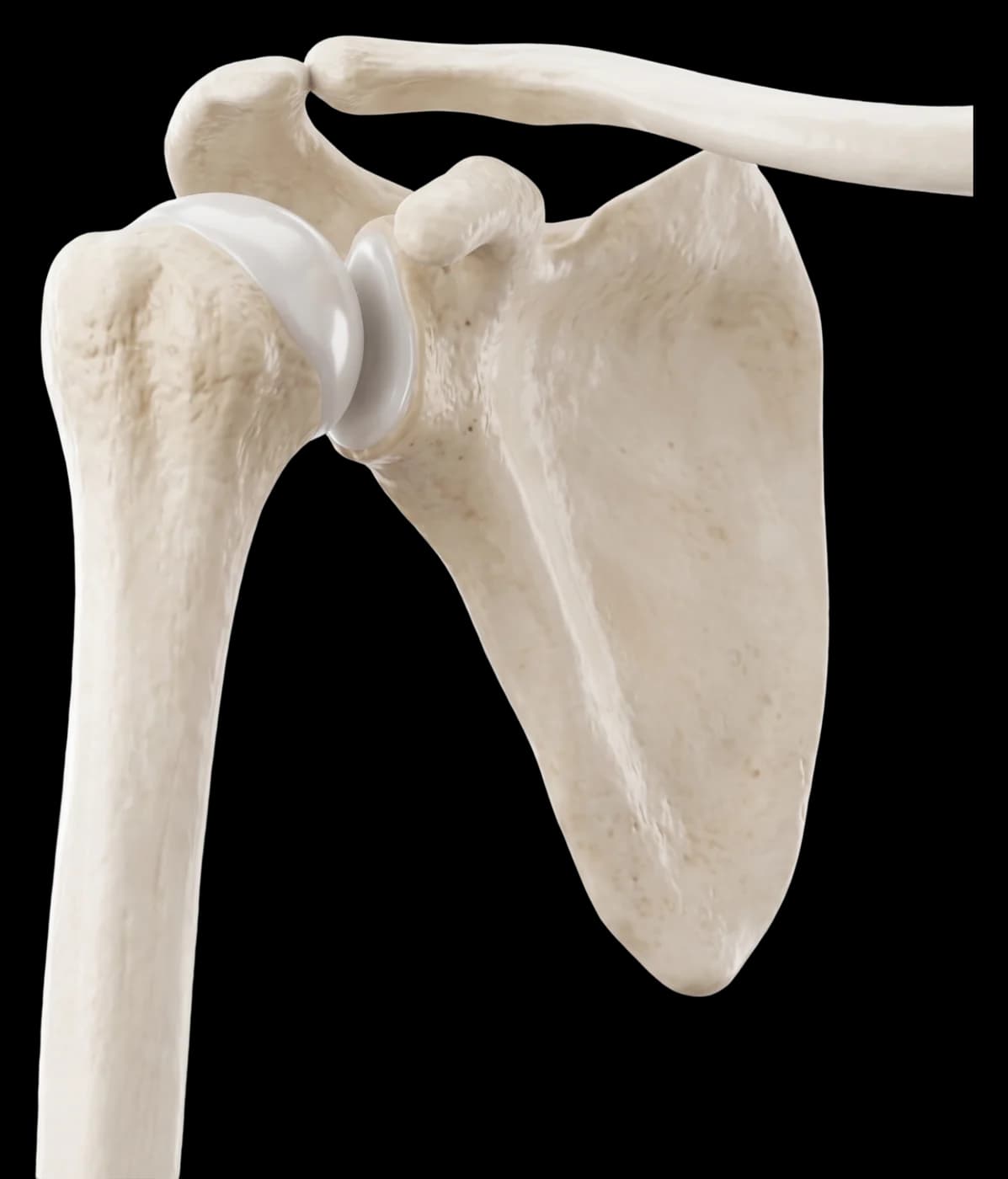
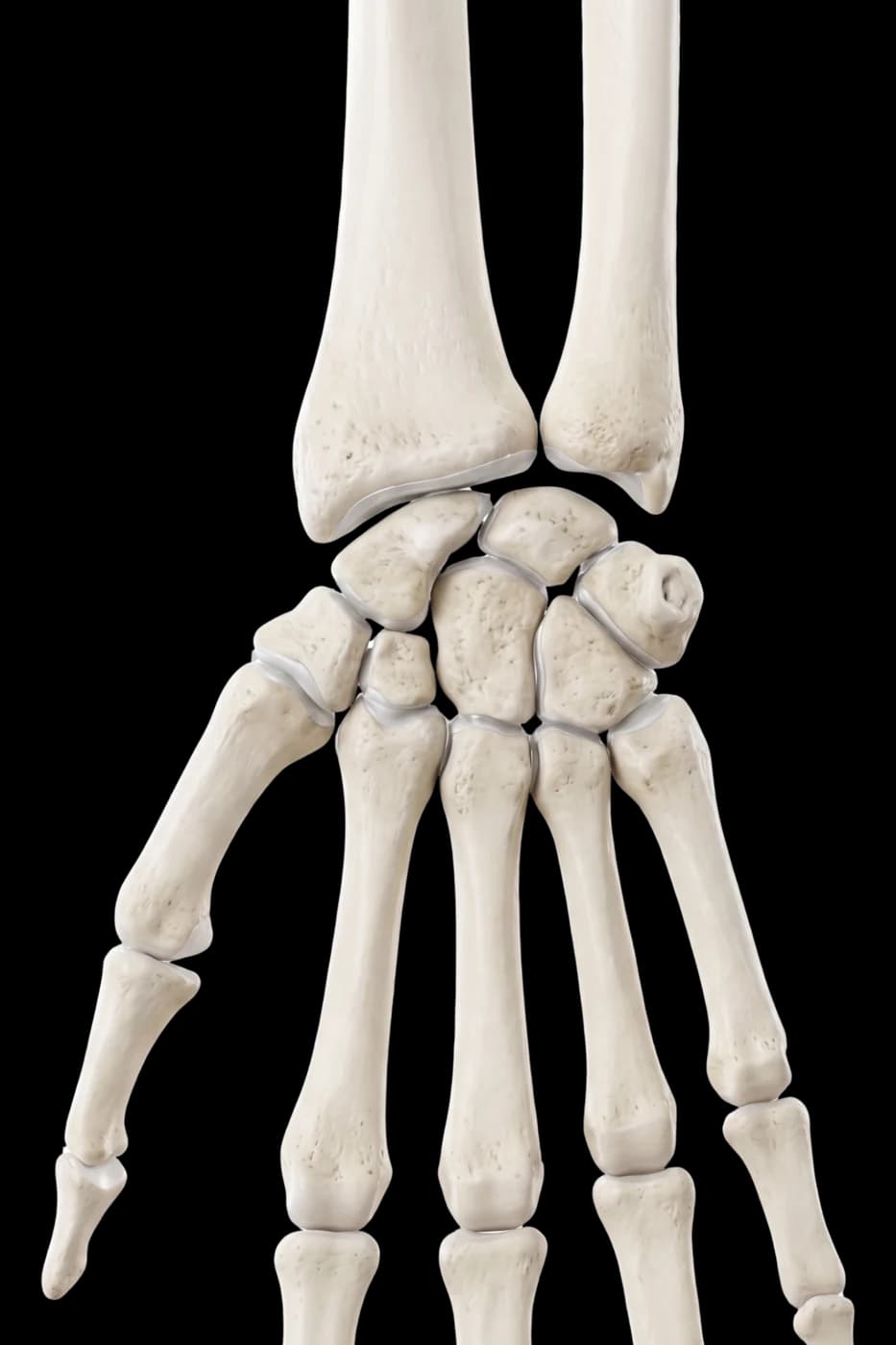
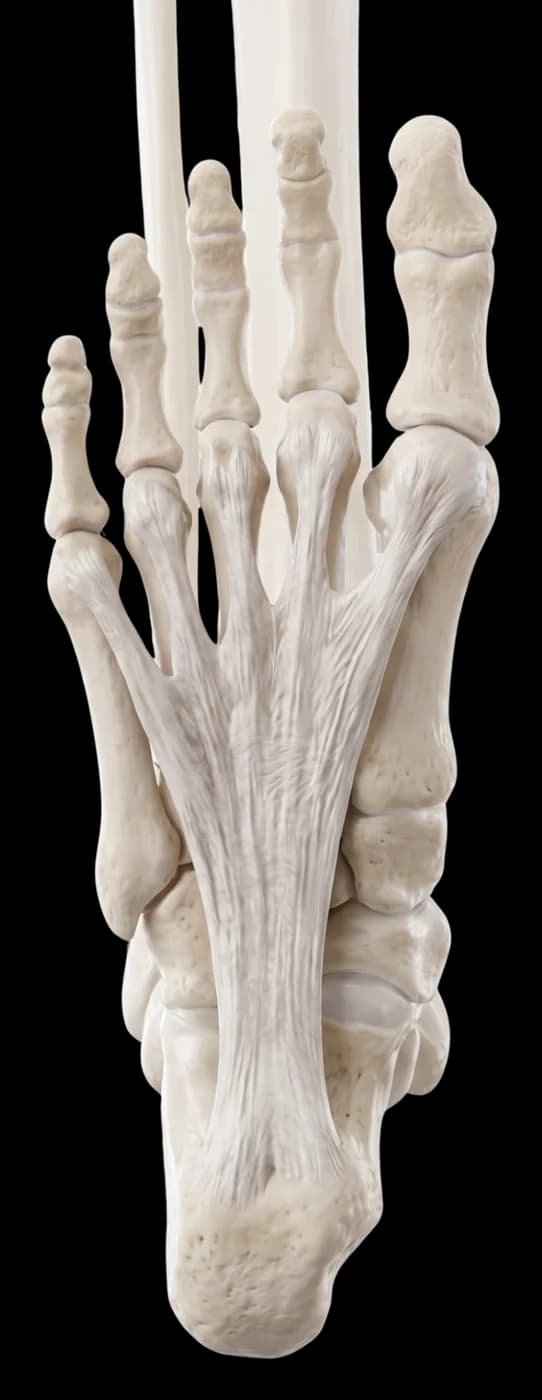
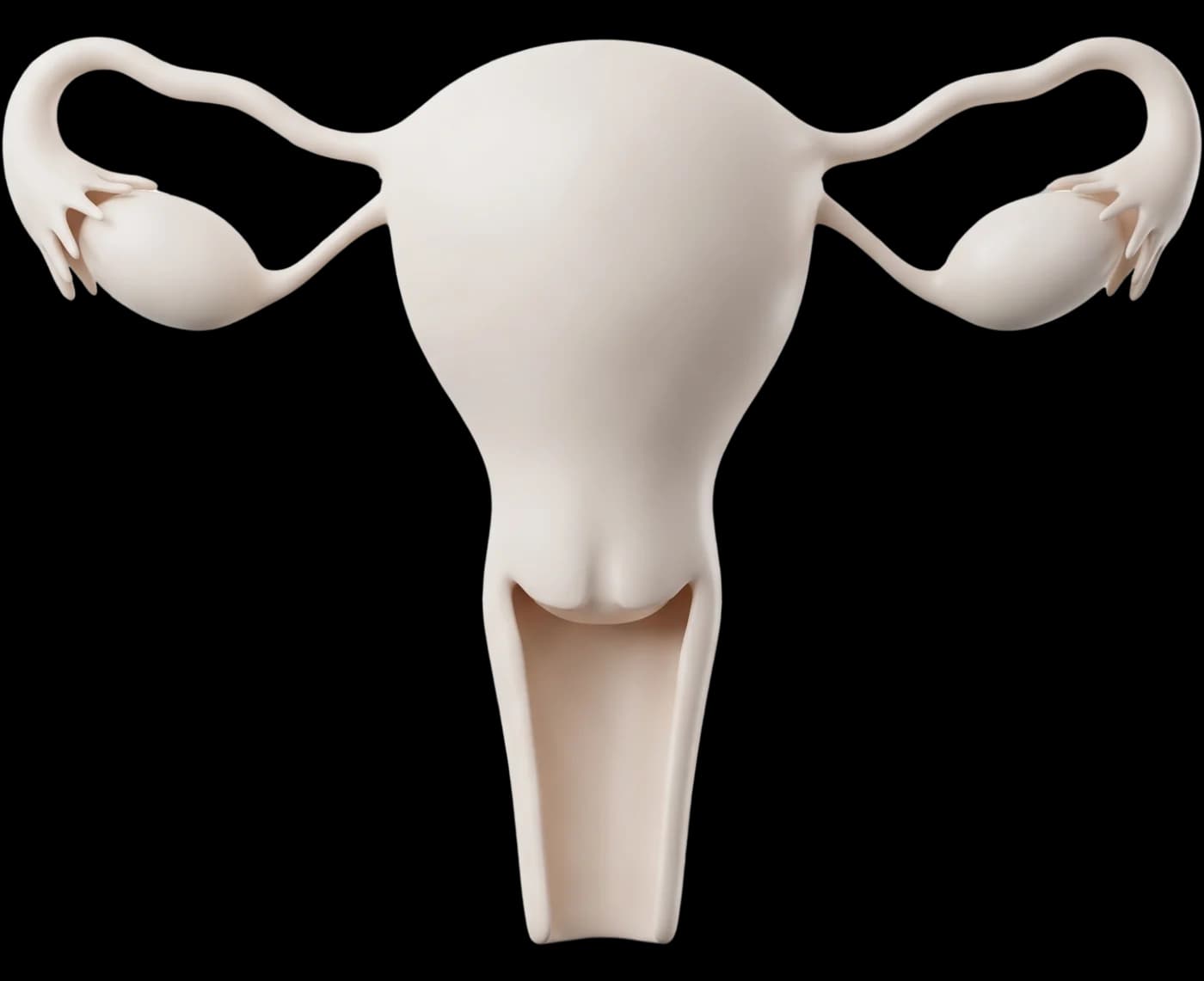
The knee has its own page, because genicular artery embolization is the most established of these and has its own body of evidence.
All treatmentsWho performs it
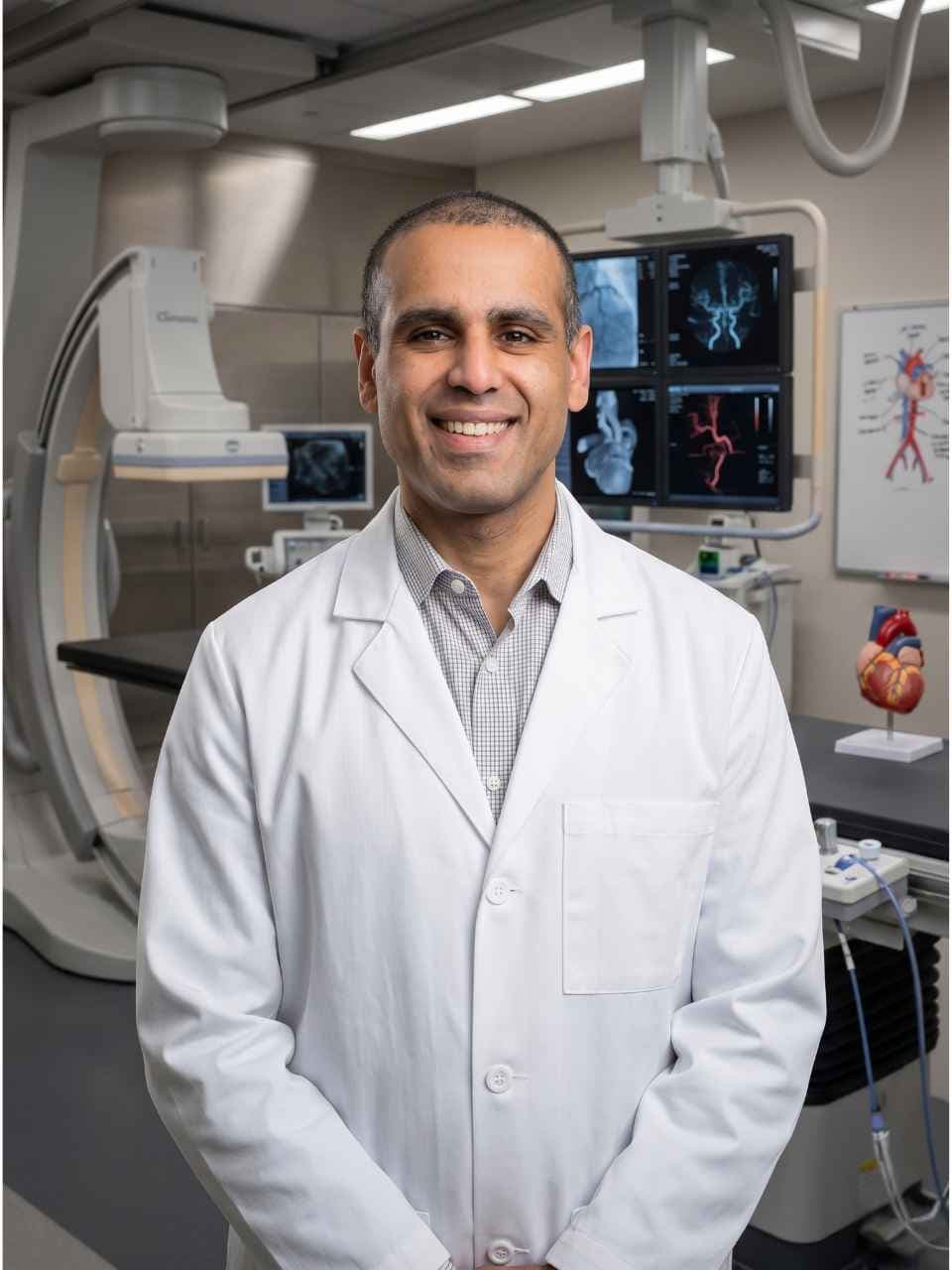
Common questions
What people ask about Embolization.
Because in these conditions the blood supply is part of the problem rather than part of the solution. Chronically inflamed tissue recruits new vessels it never had, and those vessels sustain the inflammation and bring new nerve endings with them. A fibroid depends on its own dedicated supply to keep growing. Reducing that flow targets the mechanism, and the surrounding healthy tissue keeps its normal circulation.
We use it for the knee, shoulder, wrist and heel, and for uterine fibroids. The knee is the most established of these. Whether it suits your particular problem depends on whether imaging shows an abnormal supply worth targeting — which is what the consultation and imaging are for.
Surgery addresses the structure: tissue is cut, repaired, removed or replaced. Embolization never enters the joint or the organ at all — it works from inside the blood vessels. That means no incision, no general anesthesia, no hospital stay, and nothing left behind. It also means it is not the right answer for every problem; a mechanical tear needs a mechanical fix.
This is the best-studied application. Randomised trials including EMMY and REST, and ACOG guidance, support it as a uterus-preserving option: about two thirds of women avoid hysterectomy over ten years. The trade-off is that the chance of needing another procedure is roughly two to five times higher than after surgery. Both figures come from the same body of evidence and both belong in the decision.
Yes, and this is where we will be most cautious with you. Reproductive outcome data after fibroid embolization remain limited, and both ACOG and interventional radiology guidance note that myomectomy is the better-studied option when future pregnancy is a priority. We would rather say that plainly than sell you a procedure.
Most people have cramping or a deep ache in the treated area for the first few days, which is the expected response as the tissue reacts. It is managed with ordinary measures. There is no wound, so there is nothing to protect, keep dry or have checked.
The common ones are minor: bruising at the access site, and post-embolization discomfort in the days afterwards. Less common ones depend on the area treated, and your specialist will go through the ones relevant to you specifically rather than a generic list.
Find out whether this fits.
A consultation is a conversation with a specialist, imaging in hand. Phoenix and Peoria.