
- Knee osteoarthritis
- Chronic knee inflammation
- Knee pain after prior surgery
- Knee synovitis
- Degenerative knee disease
- Sports-related knee injury
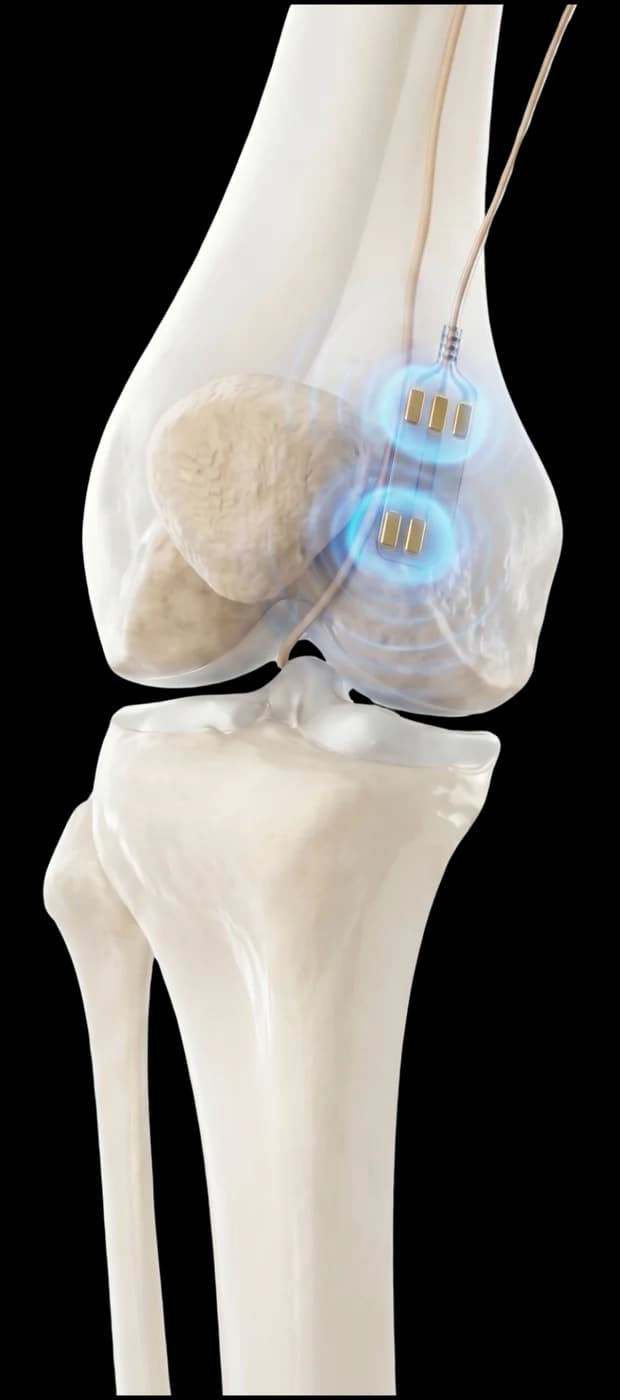
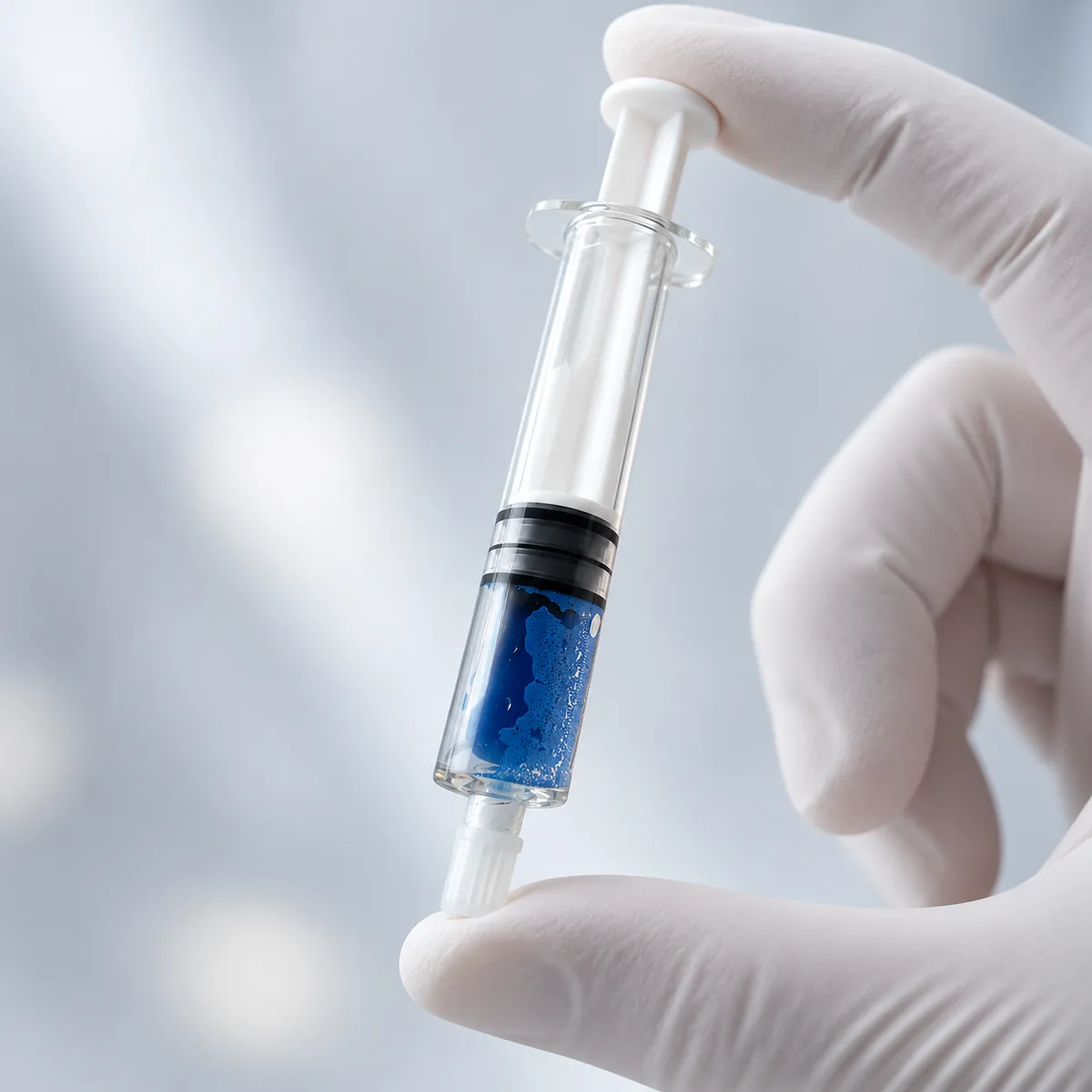
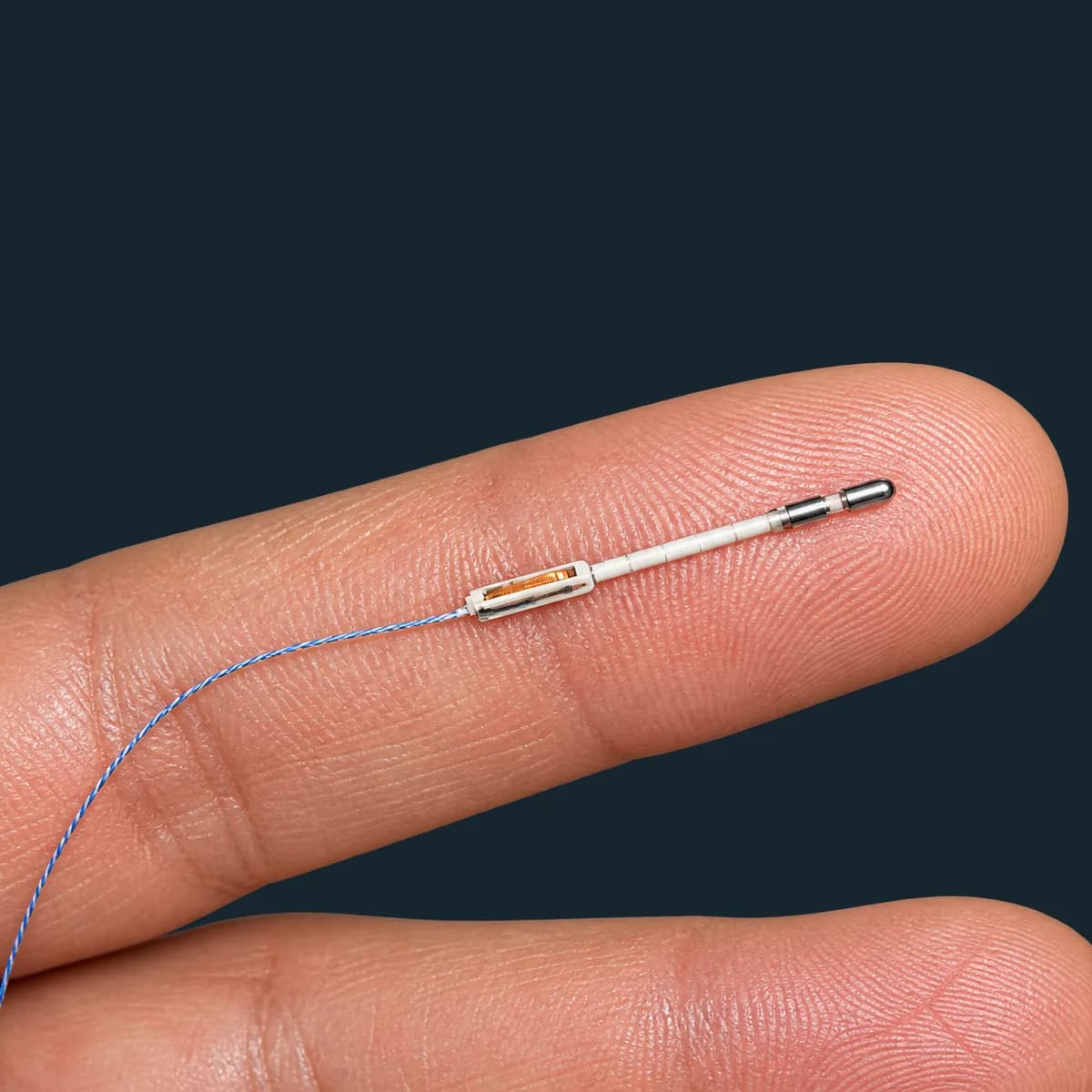
Knee pain from osteoarthritis or chronic inflammation can be debilitating — but joint replacement isn't your only option. Our interventional specialists use genicular artery embolization (GAE) and peripheral nerve stimulation (PNS) to reduce pain and improve function without surgery.
Most patients treated with GAE experience significant pain reduction within weeks, with same-day discharge.
Why it hurts
Worn cartilage is only half the story.
Two knees can look identical on an X-ray and hurt completely differently. What separates them is usually not how much cartilage is left — it is what has happened to the lining around the joint.
This is the part that matters. Both of those changes can be acted on directly. That is the reason there is more on the table than waiting until you are ready for a replacement.
What you’ve probably already tried
And why each one eventually stops holding.
Anti-inflammatories
They work on inflammation throughout the body, which helps — until it does not. The benefit tends to plateau, and long-term daily use carries stomach, kidney and cardiovascular limits that make it a poor forever plan.
Cortisone injections
Genuinely effective at quieting an inflamed joint, usually for weeks to months. The pattern most people describe is that each one works for a shorter stretch than the last, and injections cannot be repeated indefinitely.
Physical therapy
Worth doing, and it does real work on the muscle support and mechanics around the joint. What it cannot do is change the inflamed lining itself, which is why it often takes the edge off without resolving the problem.
Bracing and activity change
These offload the joint and reduce what provokes it. That is management rather than treatment — the trade is that your life gets smaller to keep the pain tolerable.
How we think about treating it
Two ways in — and no prescription from a web page.
Because the pain comes from both a supply problem and a signalling problem, there are two directions to work in. Many people are a reasonable candidate for more than one.
This is not a menu, and it is not the whole list. Injections, ablation, physical therapy and joint replacement all remain on the table, and some people do best with a combination. Which path fits you is decided with your physician, after imaging and an exam — not by a website.
Before
A dedicated consultation to review your imaging, understand your pain history, and recommend the most appropriate intervention for your anatomy and goals.
During
Procedures are performed under light sedation in our outpatient center. No hospital admission, no overnight stay.
After
Same-day discharge with a clear recovery timeline. Most patients notice meaningful improvement within 2–4 weeks.
Knee Pain — what most patients ask.
If you have knee pain from osteoarthritis or chronic inflammation and want to avoid or delay joint replacement, you may be an excellent candidate. GAE is most often considered for patients with persistent pain despite physical therapy, injections, or NSAIDs — and for anyone not ready for the long recovery of total knee arthroplasty. A consultation with imaging review confirms whether your anatomy supports the procedure.
Find out if you're a candidate.
Our free assessment takes less than 2 minutes and helps us match you with the right specialist.