
Neuromodulation
Peripheral Nerve Stimulation
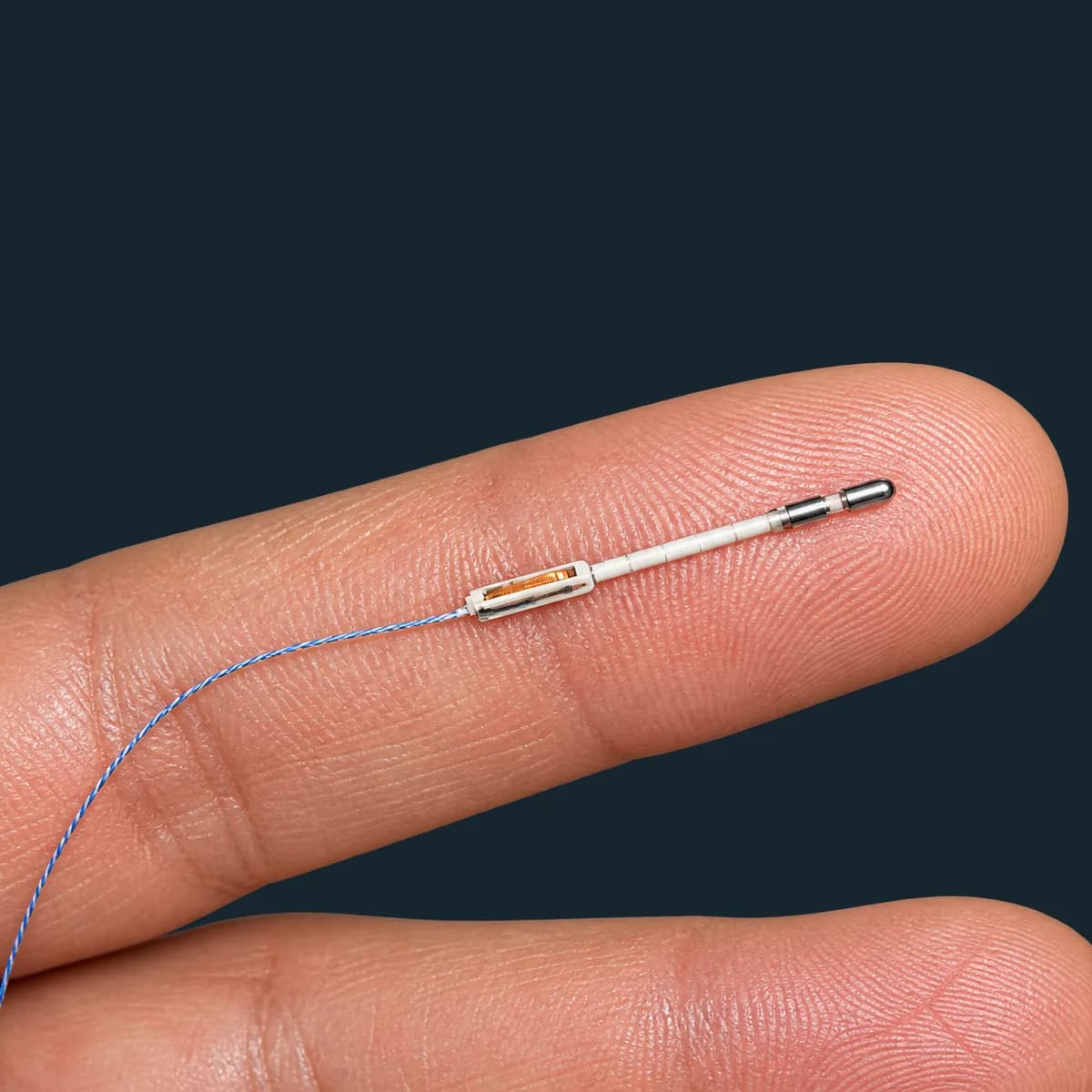
Peripheral nerve stimulation places a thin lead beside the nerve responsible for your pain and delivers gentle electrical pulses that change the signal before it reaches your brain. It is placed through a needle under imaging guidance, with local anesthetic, and you go home the same day. Nothing is removed and no joint is altered.
- Outpatient — placed through a needle
- Local anesthetic
- You trial it before committing
- Home the same day
How it works
Interrupt the pain signal at the nerve carrying it.
- 01Find the nerveUltrasound or X-ray guidance locates the specific nerve carrying your pain — the genicular nerves at the knee, the suprascapular or axillary nerve at the shoulder, the occipital nerves at the back of the head.
- 02Place the leadA lead about as thin as a grain of rice is positioned beside that nerve through a needle. There is no incision, and the joint itself is never entered.
- 03Trial, then decideYou live with it before you commit to anything longer term. If it does not change your pain in a way that matters to you, the lead comes out and you have lost nothing.
What to expect
From arriving to going home.
before
A specialist works out whether your pain maps to a nerve that can be targeted — that is the question that decides whether this is worth trying. Imaging and an exam come first, and your insurance is verified before anything is scheduled.
during
You are awake and comfortable under local anesthetic. Placement is guided by live imaging and usually takes under an hour. Many people feel a change in sensation during the procedure itself.
after
Home the same day with no incision to recover from. The trial period is where the real answer comes: you get to find out whether this works for you before anyone talks about a permanent system.
What the evidence says
Every number here says where it came from.
And who it applies to. If a figure needs a caveat to be honest, the caveat is printed next to it rather than left off.
6 in 10
reached at least 50% pain relief, against 24% on a sham device
This trial studied people with persistent pain AFTER a total knee replacement. It is the highest-quality knee evidence available, and it does not speak to knee arthritis before surgery.
Goree and colleagues, Neuromodulation, 2024 — randomised, sham-controlled, 41 patients
73%
responded during treatment, with 57% still responding at 12 to 14 months
Pooled from shoulder, post-amputation and low-back pain. Knee was not included in this review.
Pritzlaff and colleagues, systematic review, Pain Management, 2024
Relief that outlasts the device
in a placebo-controlled trial, most responders were still better a year after the lead was removed
A small study, nine patients at the twelve-month mark. Striking, but not a promise.
Gilmore and colleagues, Regional Anesthesia and Pain Medicine, 2019 — post-amputation pain
You trial it first
the decision is made on your own experience, not on a prediction
Very little else in pain medicine lets you test the result before committing.
Standard practice for peripheral nerve stimulation
Against the alternative
What you are actually choosing between.
Long-term pain medication
PNS
Works throughout the whole body to treat pain in one place
Acts only at the nerve carrying the pain
Drowsiness, fog and stomach or kidney limits that accumulate over years
No systemic side effects — there is no drug
Effect often fades, and the dose climbs to keep up
A trial tells you within days whether it is doing anything
Opioids carry dependence risk that grows the longer you take them
Nothing to become dependent on
What it’s used for
Where this applies.
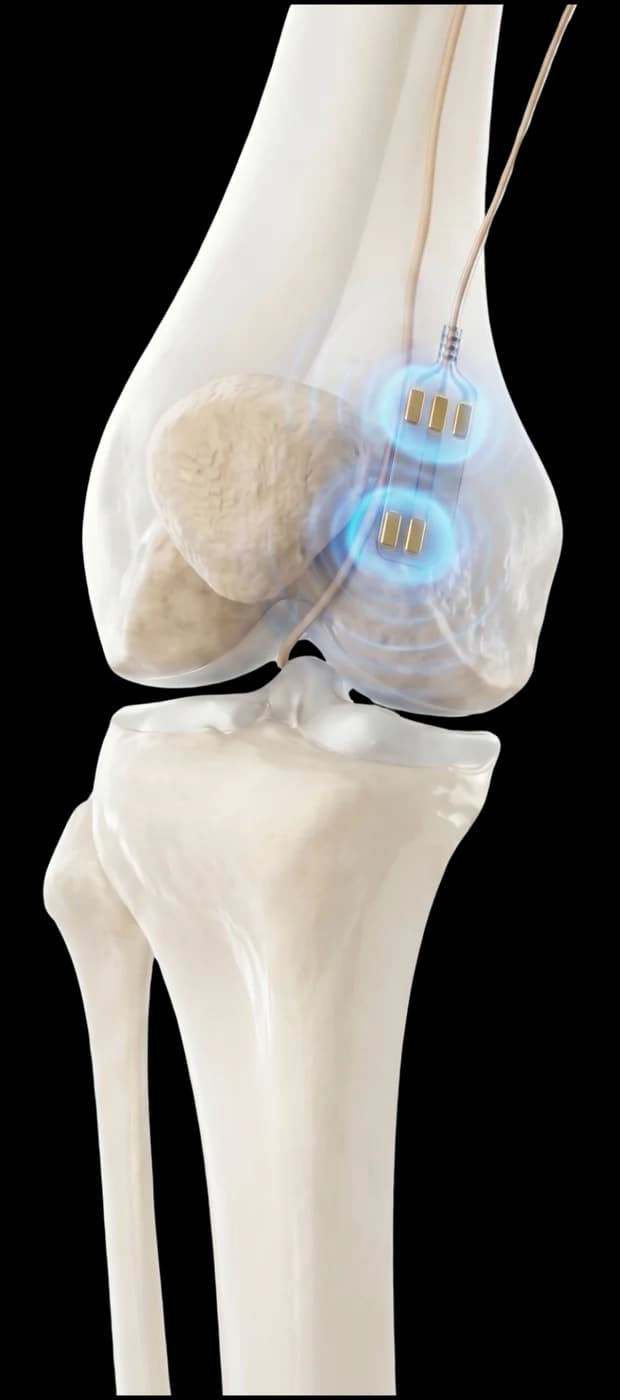
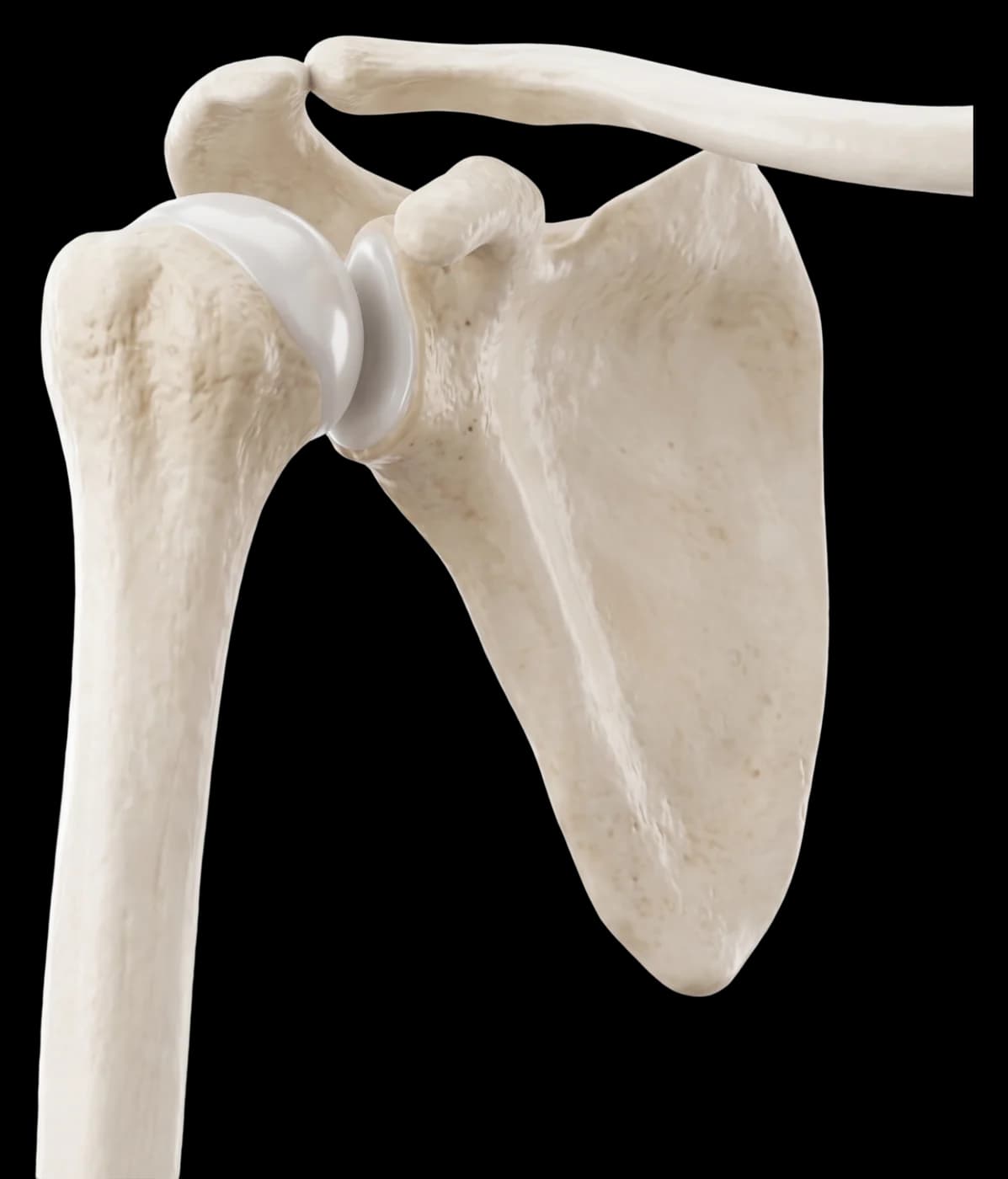
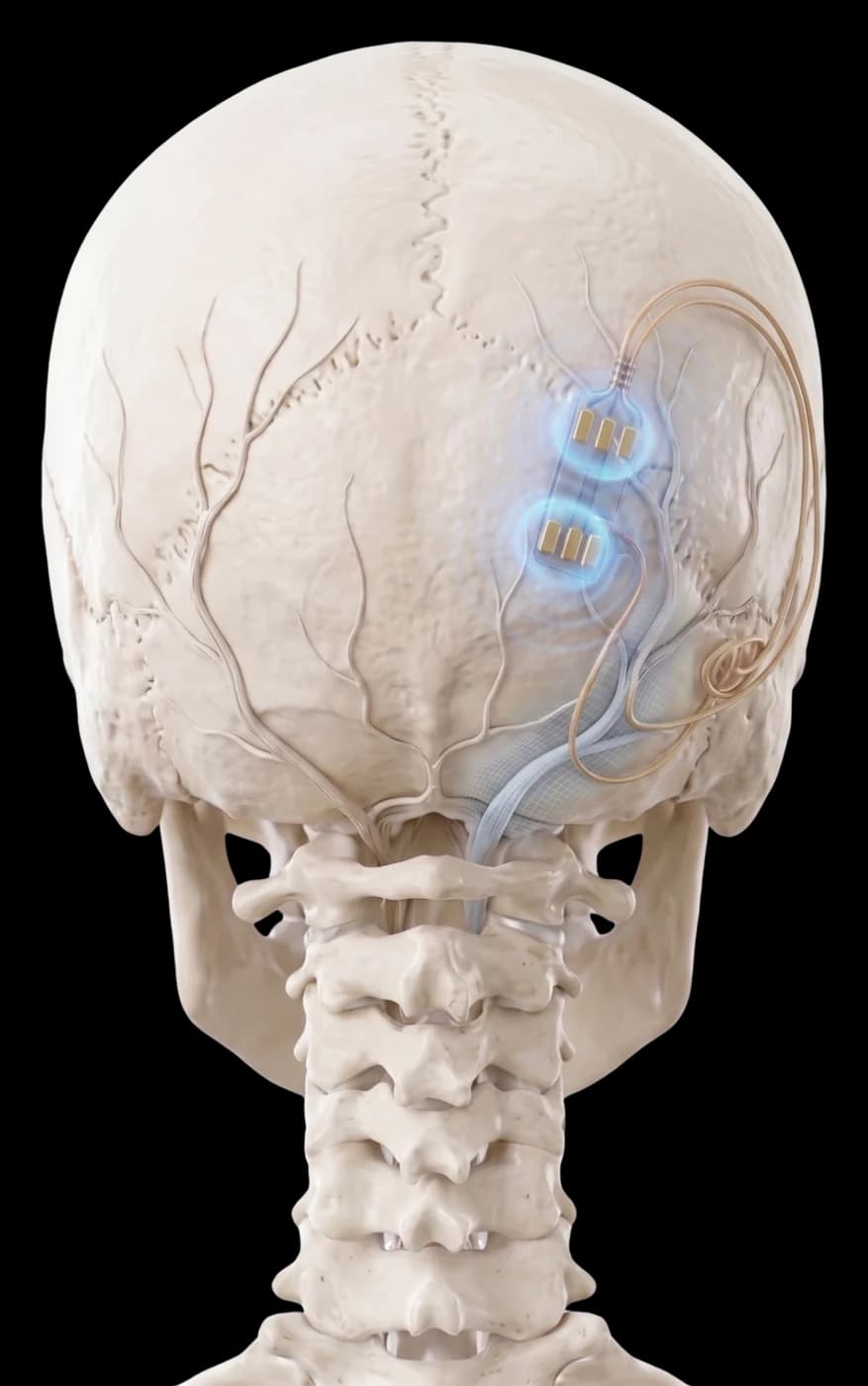
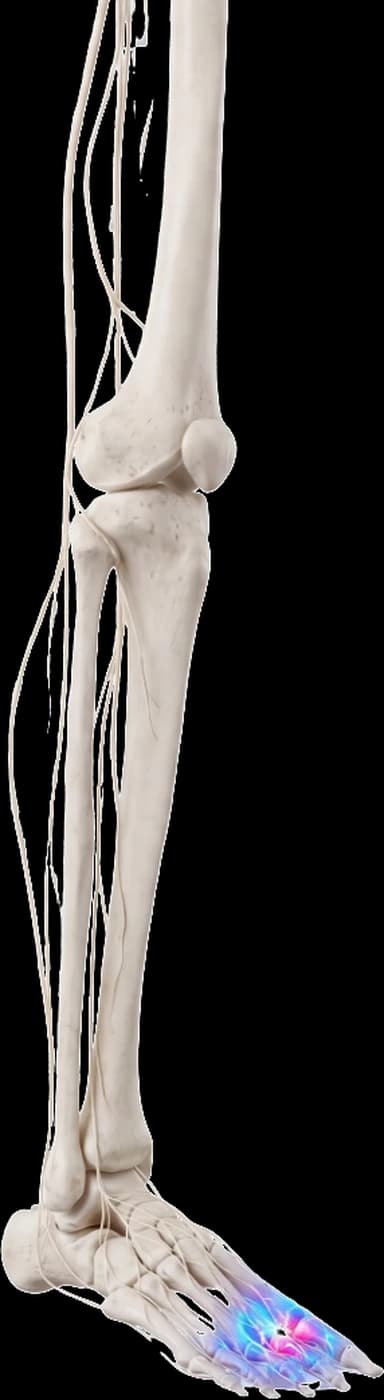
PNS is not fixed to one part of the body — it is placed wherever the nerve driving the pain can be reached. If your pain follows a nerve, it is worth asking about, and that includes areas not listed here.
All treatments

Common questions
What people ask about PNS.
No, though they are cousins. Spinal cord stimulation places leads near the spinal cord and covers broad areas — a whole leg, the lower back. Peripheral nerve stimulation targets one specific nerve further out in the body. If your pain is confined to one knee, one shoulder or one side of your head, PNS is usually the more precise tool.
The lead is placed and you go home and live normally with it for a period your specialist sets. You find out, from your own daily life rather than from a prediction, whether it changes your pain enough to matter. If it does not, it comes out.
Most people describe a light tingling or a sense of pressure in the area, and many stop noticing it. Your device is adjustable, so the level is set to what you find comfortable.
The strongest evidence is in people whose knee still hurts after a replacement — a randomised, sham-controlled trial found about 6 in 10 reached at least half their pain relieved, compared with about a quarter on a dummy device. For knee arthritis before surgery the published evidence is thinner, and we will tell you that in the consultation rather than imply otherwise.
Leads placed near the occipital nerves at the back of the head are used for occipital neuralgia and some cervicogenic headache. It is one of the longer-standing uses of nerve stimulation. Whether it fits your headache depends on where the pain originates, which is what the consultation is for.
The common issues are minor and local — irritation at the site, or a lead that shifts and needs repositioning. Infection is uncommon. Because nothing is implanted during a trial and no joint is entered, the downside of finding out is genuinely small.
Often, though it depends on your plan and the indication. We verify benefits before anything is scheduled and tell you what we find, including when the answer is no.
Find out whether this fits.
A consultation is a conversation with a specialist, imaging in hand. Phoenix and Peoria.