
- Herniated disc
- Spinal stenosis
- Sciatica & radiculopathy
- Neck pain & cervical conditions
- Degenerative disc disease
- Facet joint arthritis
Back and neck pain can feel relentless — and the fear of major spine surgery often keeps people from seeking help. Our neurosurgeons trained in minimally invasive techniques that treat the source of pain through smaller access points, preserving healthy tissue and shortening recovery.
Fusion is sometimes the right answer. But it’s rarely the first one.
Radiofrequency Ablation (RFA)
Heat energy disrupts the nerves carrying facet, sacroiliac, or other axial pain signals — meaningful relief for appropriate candidates, with effects that typically last many months and can be repeated.
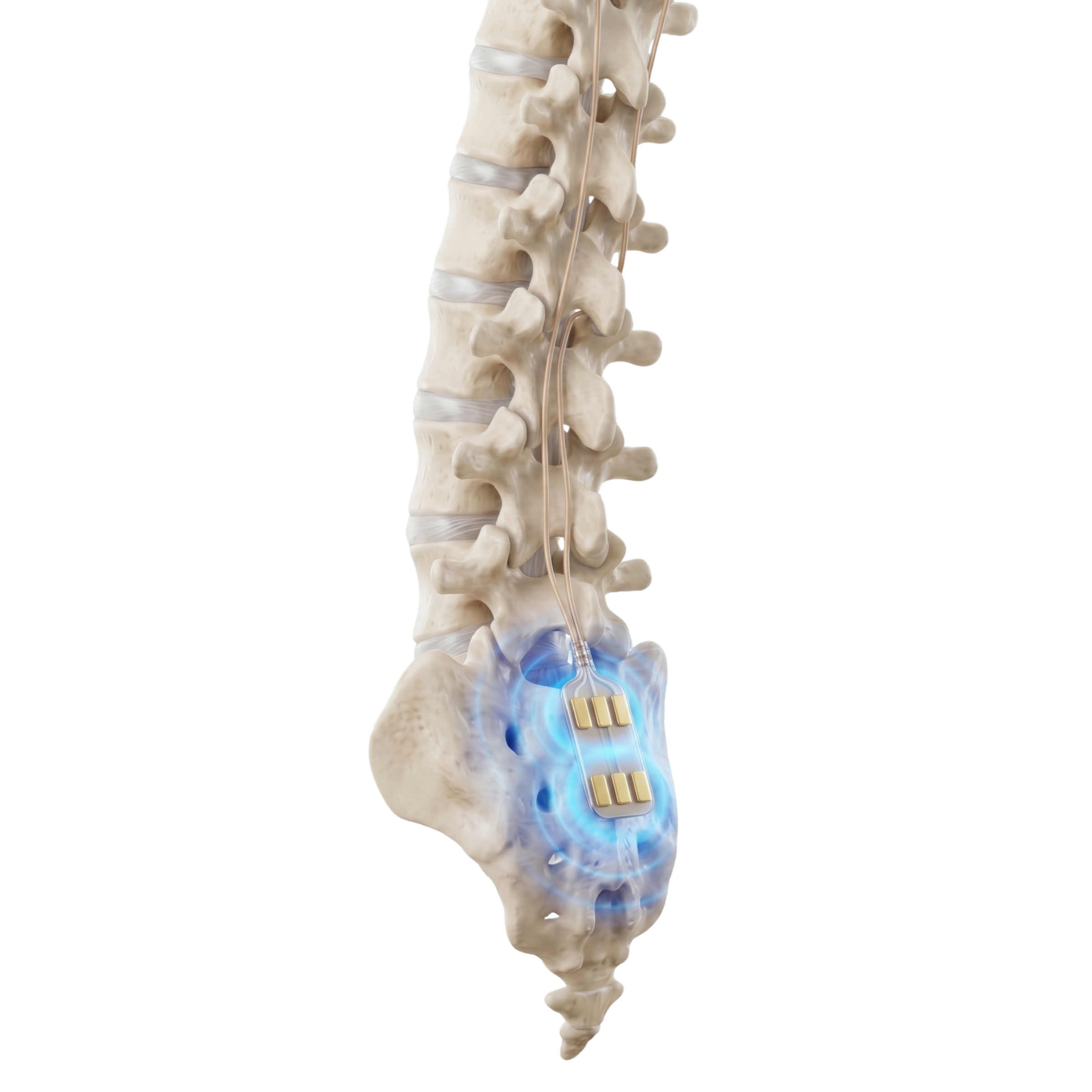
Spinal Cord Stimulation (SCS) & Peripheral Nerve Stimulation (PNS)
For persistent radicular or axial pain, implanted leads deliver electrical pulses that modify pain signals before they reach the brain — often used when surgery is not desired or not indicated.
Motion-Preserving Options
When surgical stabilization is needed, our surgeons prioritize techniques that protect adjacent levels and maintain natural spinal movement.
Before
Your surgeon reviews your MRI or CT in detail with you, explains exactly what is causing your pain, and walks through every option before recommending a path.
During
Outpatient procedures performed under local anesthetic or light sedation. Most take under two hours.
After
Most patients go home within hours. A structured recovery protocol helps you return to normal activity as quickly as safely possible.
Back & Neck Pain — what most patients ask.
Spinal fusion is sometimes the right answer — but it's rarely the first one. For most chronic back and neck pain, minimally invasive options including radiofrequency ablation (RFA), spinal cord stimulation (SCS), and peripheral nerve stimulation (PNS) can address the pain source without the permanent hardware and 6–12 month recovery of fusion. Our specialists review your imaging and treatment history before recommending any path.
Find out if you're a candidate.
Our free assessment takes less than 2 minutes and helps us match you with the right specialist.